






The UAE’s archaeological record reaches far beyond its modern skylines. Ancient settlements, tombs, places of worship and museum collections reveal changing patterns of migration, trade, craft and daily life.
These ten places offer meaningful ways to explore that history. Some are open parks or museums; others require advance arrangements. Always check the linked official visitor page before travelling because access, tours and opening hours can change.
1. Mleiha Archaeological Centre and Mleiha National Park
Mleiha National Park brings archaeology, geology and desert landscape together in Sharjah’s Central Region. Begin at the archaeological centre, where local discoveries introduce the communities that lived and travelled through this landscape.
The UNESCO-listed Faya Palaeolandscape provides a wider deep-history context. Ask the centre which guided outdoor sites are available during your visit, including tombs and other archaeological locations.
2. Sharjah Archaeology Museum
Sharjah Archaeology Museum presents discoveries from across the emirate in chronological galleries. Stone Age tools, pottery, jewellery, weapons and objects excavated at Mleiha help visitors understand the region before exploring its field sites.
Indoor displays and interactive exhibits make the museum a practical first stop for families and for travellers who want historical context without committing to an outdoor excursion.
3. Buhais Geological Park
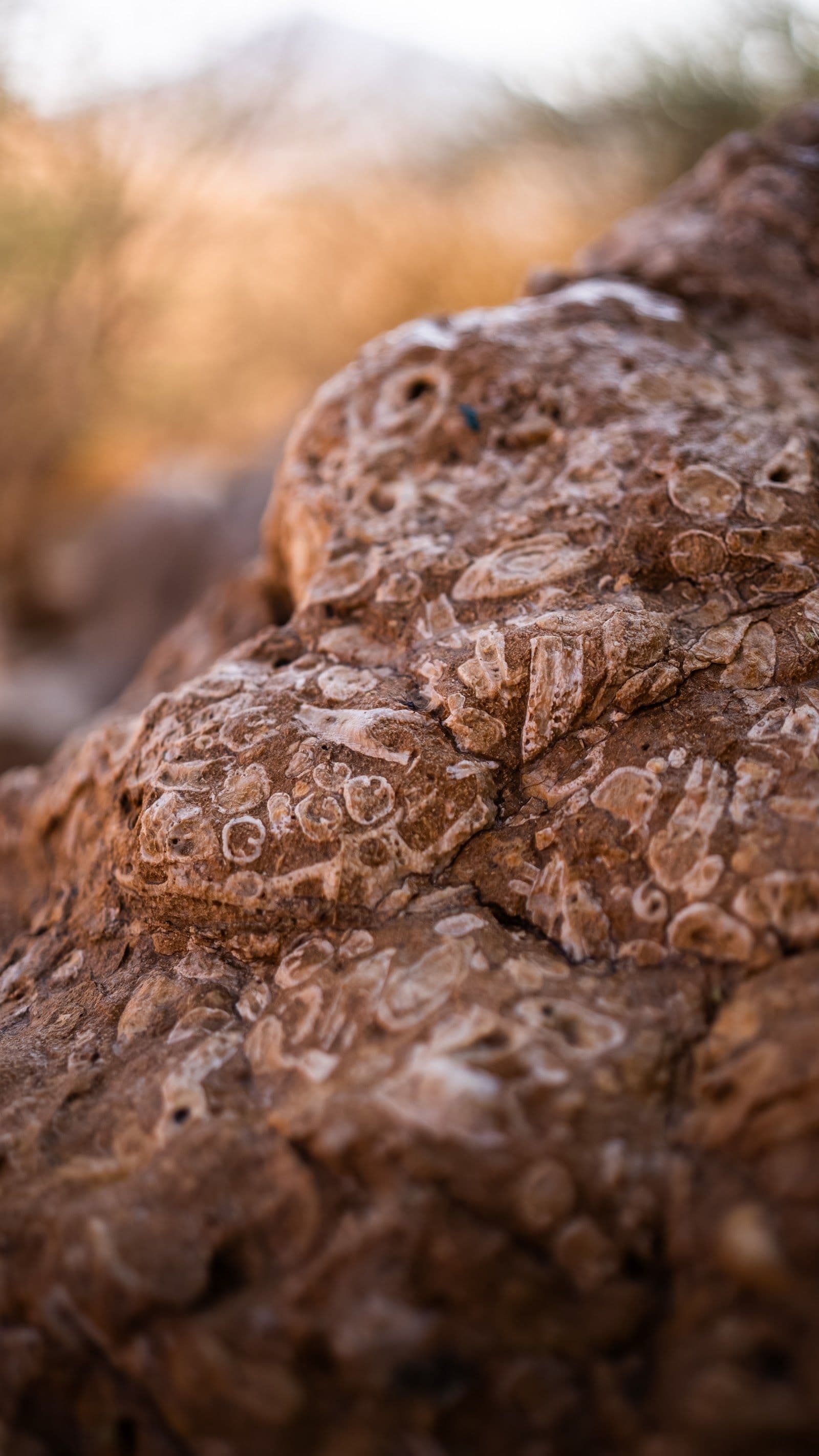
Buhais Geological Park combines indoor interpretation with an outdoor trail at Jebel Buhais. The experience connects the area’s fossil-rich geology with ancient burial grounds and archaeological remains.
Treat it as a combined geology-and-archaeology visit, and confirm current guided-tour and trail arrangements before setting out.
4. Jumeirah Archaeological Site, Dubai
Jumeirah Archaeological Site preserves an Abbasid-period settlement dating approximately from the 9th to 11th centuries. Dubai Media Office’s account of the site describes homes, a mosque, rest houses and trading facilities used along regional routes.
Confirm current public access or guided-tour arrangements before visiting; this is an archaeological site rather than a conventional walk-in museum.
5. Saruq Al-Hadid Archaeology Museum, Dubai
Saruq Al-Hadid Archaeology Museum interprets discoveries from a remote desert excavation. Its displays cover finds spanning the Bronze and Iron Ages, including extensive evidence of Iron-Age metalworking.
The official archaeological register documents the site itself. The remote excavation is not a normal walk-in attraction; the museum in Al Shindagha is the visitor-facing place to understand its finds.
6. Hili Archaeological Park, Al Ain
Hili Archaeological Park is a landscaped public park containing Bronze- and Iron-Age remains. Visitors can view several archaeological structures, including the reconstructed Hili Grand Tomb.
The park forms part of the UNESCO-listed Cultural Sites of Al Ain. Pair it with other Al Ain heritage attractions if you want a fuller picture of the oasis’s history.
7. Jebel Hafit Tombs, Al Ain
The Jebel Hafit Tombs include more than 500 beehive-shaped burial structures dating to the early Bronze Age, around 5,000 years ago. These tombs are characteristic of the Hafit period, named after Jebel Hafit.
Selected tombs can be seen through guided experiences at Jebel Hafit Desert Park. Check the official visitor information and book suitable access in advance.
8. Church and Monastery of Sir Bani Yas Island
The church and monastery on Sir Bani Yas Island date to the 7th and 8th centuries. The complex is the only known ancient Christian site in the UAE and is open to visitors.
Because the site is on an island, confirm transport and tour availability in advance rather than assuming independent access.
9. Shimal Umm an-Nar Tomb, Ras Al Khaimah
The Umm an-Nar tomb at Shimal is a communal burial structure dating approximately from 2600 to 2000 BCE. It offers a direct view of Bronze Age building and burial practices.
Access requires accompaniment from the Ras Al Khaimah Department of Antiquities and Museums, so arrange the visit before travelling to the site.
10. Queen of Sheba’s Palace, Ras Al Khaimah
Queen of Sheba’s Palace stands above Shimal and dates to the Julfar period, from the 13th to 16th centuries. Archaeologists consider it likely to have been a local ruler’s residence.
The familiar name comes from local folklore; there is no historical evidence connecting the site to the Queen of Sheba. Check the official page for current access information.
How to Plan an Archaeological Tour in the UAE
These sites are spread across the UAE, so group them by region instead of trying to visit all ten quickly.
- Sharjah: combine the archaeology museum with separate visits to Mleiha and Buhais.
- Al Ain: pair Hili Archaeological Park with Jebel Hafit Desert Park.
- Dubai: combine Saruq Al-Hadid Museum with any confirmed visit to the Jumeirah site.
- Allow separate days and advance arrangements for Sir Bani Yas Island and the two Ras Al Khaimah sites.
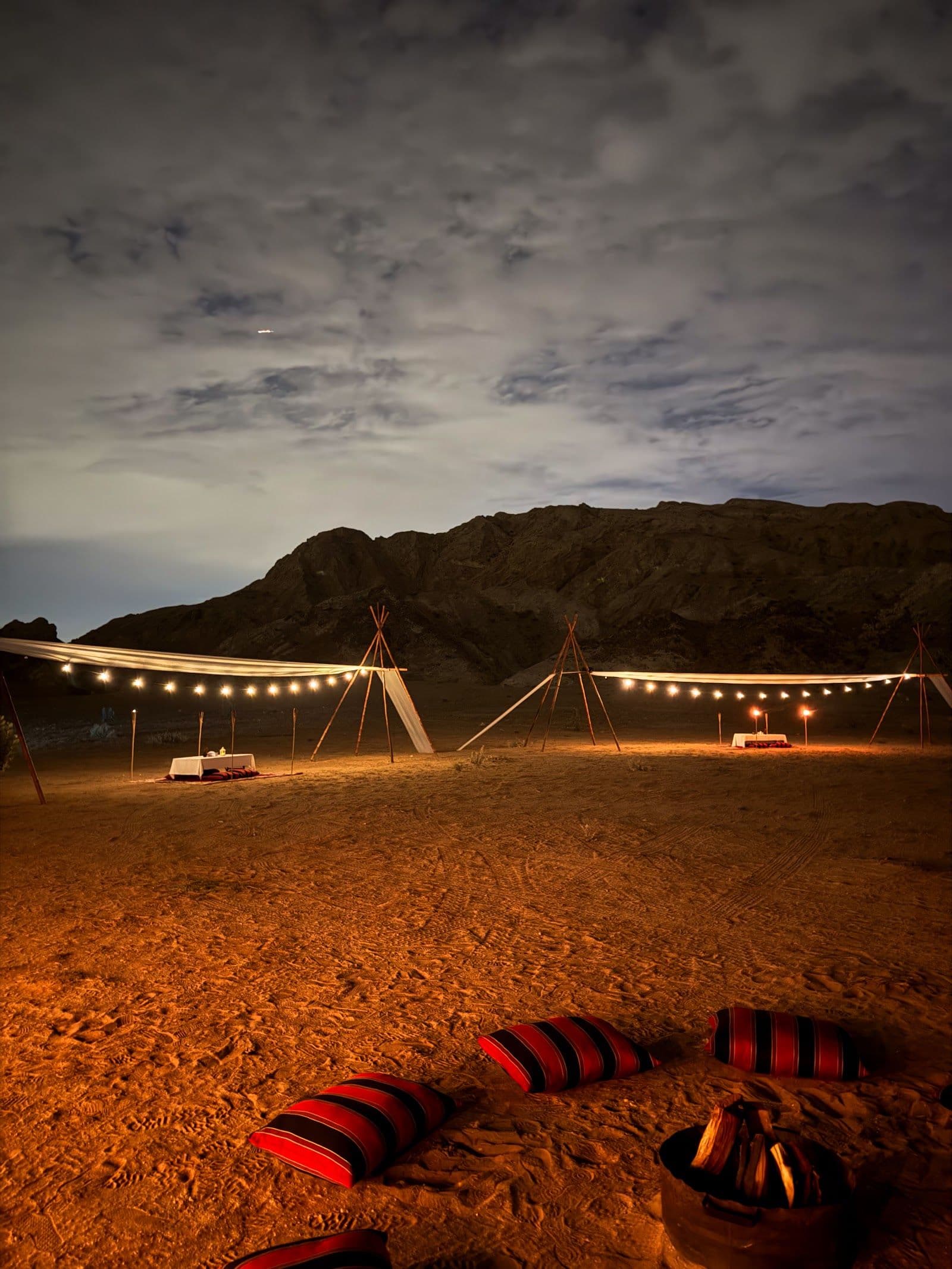
For a desert-focused visit, compare Zerzura’s Mleiha experiences and choose the route, transfer option and included activities that suit your group. Museum entry and specialist archaeology tours should always be confirmed with the relevant site.