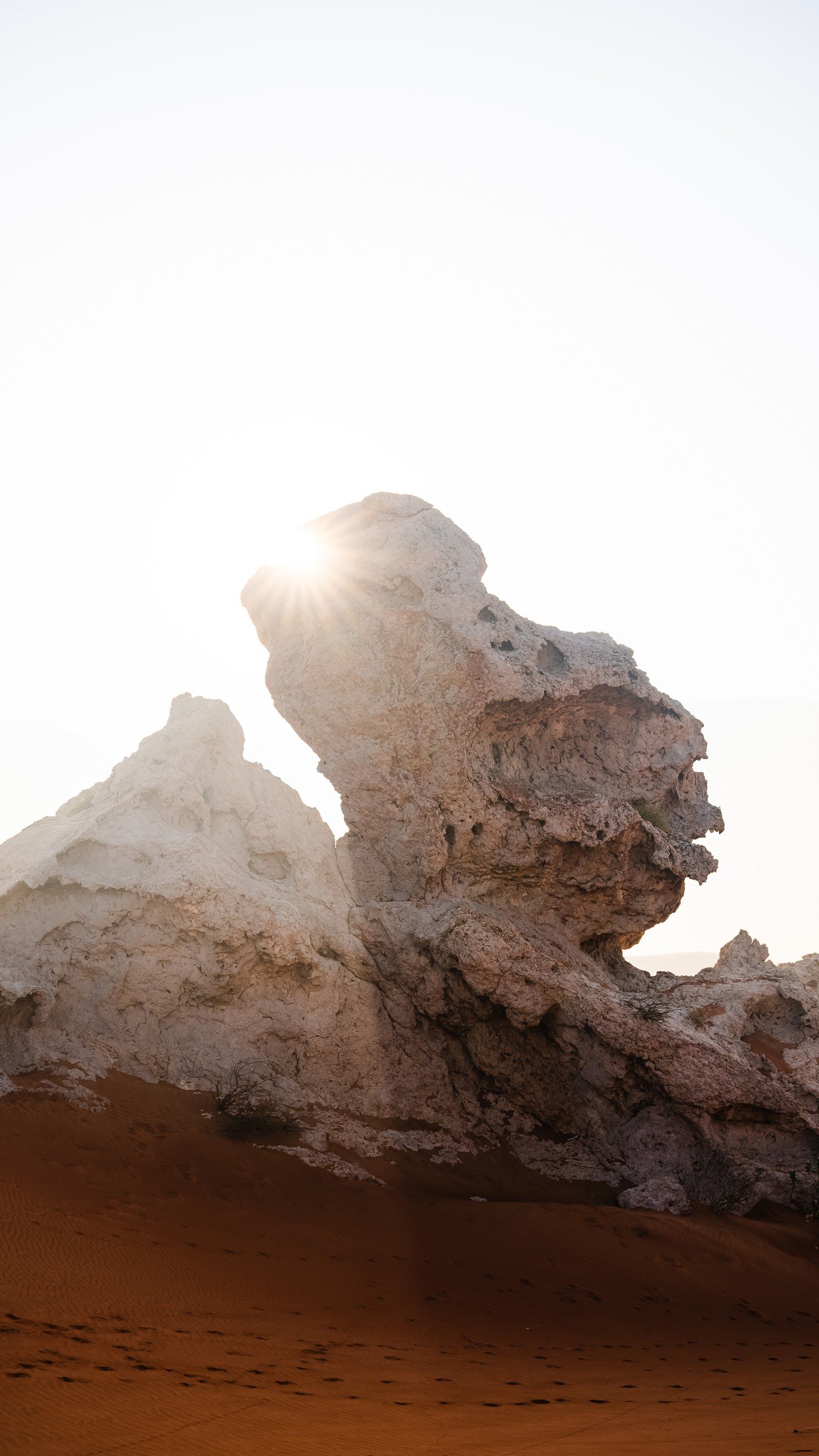
Rising from the Sharjah desert near Mleiha is a hill that tells a story the rest of the landscape keeps hidden. Fossil Rock is exactly what its name promises: a formation studded with the remains of ancient sea life, from an age when this desert lay beneath a warm ocean rather than open sky.
It is one of the most striking and photogenic landmarks in the country, and it anchors one of the best desert days within reach of Dubai. This guide covers what Fossil Rock is, how old it is, why it matters, and the safest, most rewarding way to visit.
An ancient seabed in the desert
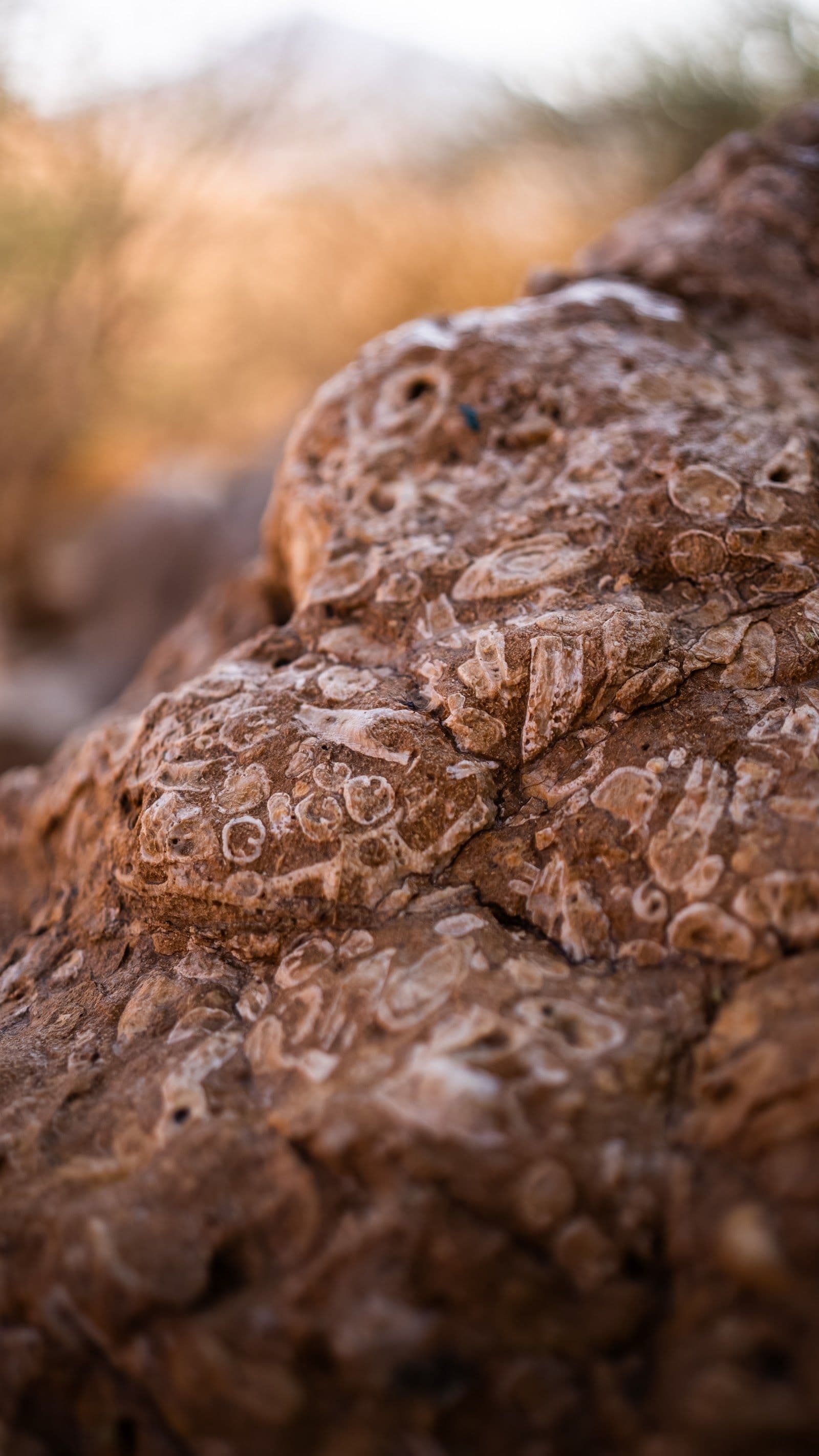
Around 80 million years ago, the ground that is now Mleiha sat submerged under a shallow sea. As the waters slowly retreated and the land lifted over millions of years, the marine life of that ocean was pressed and preserved into the rock, and it has stayed there ever since.
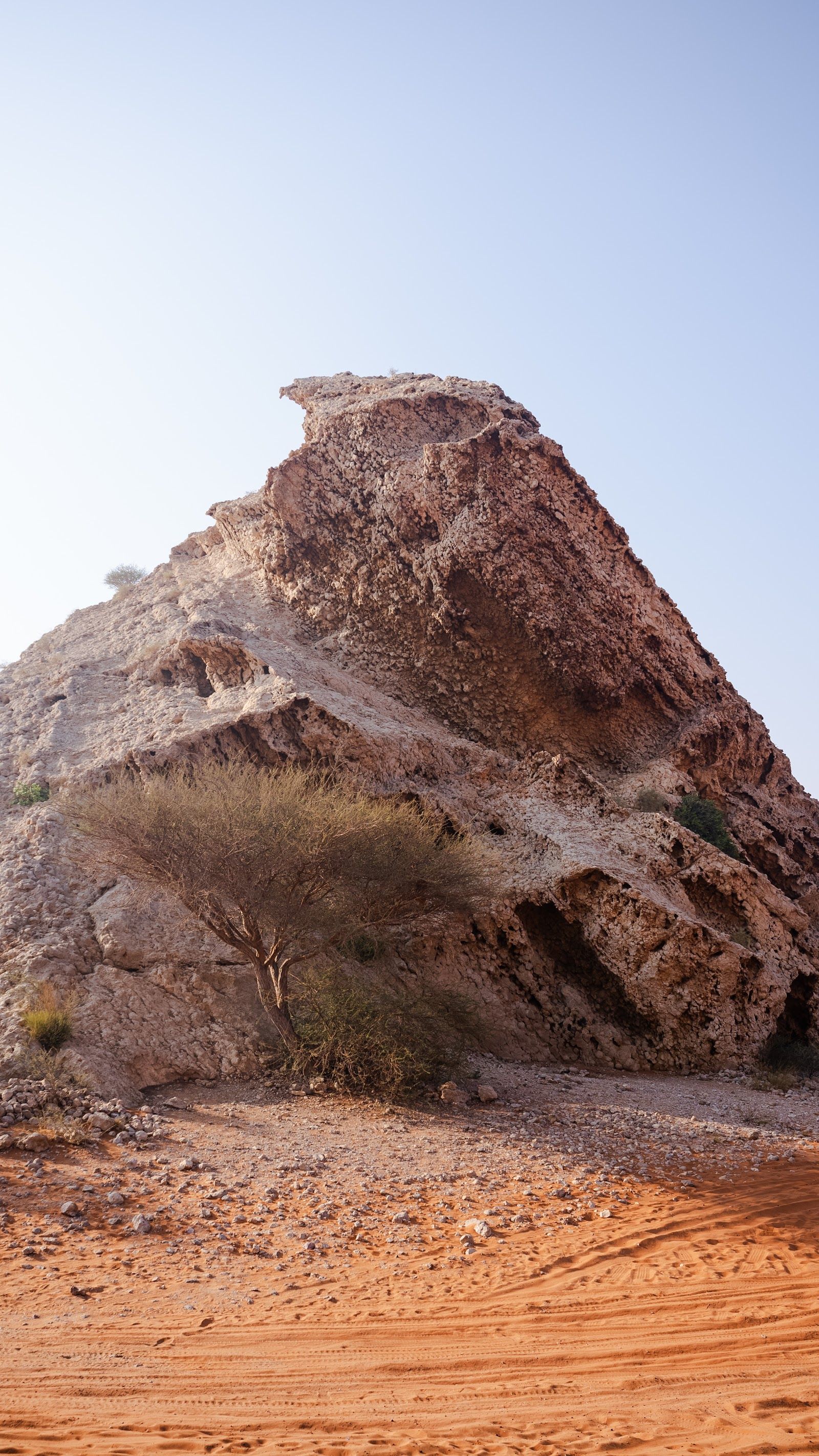
Look closely at the surface and you can pick out fossilised shells and the outlines of sea creatures locked into the stone - a direct, physical link to a world that existed long before the desert took its place. For anyone curious about the deep past of the region, it is a rare and vivid thing to stand in front of, and it gives Fossil Rock a weight that a simple viewpoint could never carry.
Why Fossil Rock matters
Fossil Rock is far more than a photo stop. It sits inside the wider Mleiha area, a UNESCO-nominated palaeolandscape recognised for both its geology and its archaeology, where human history reaches back 180,000 years.
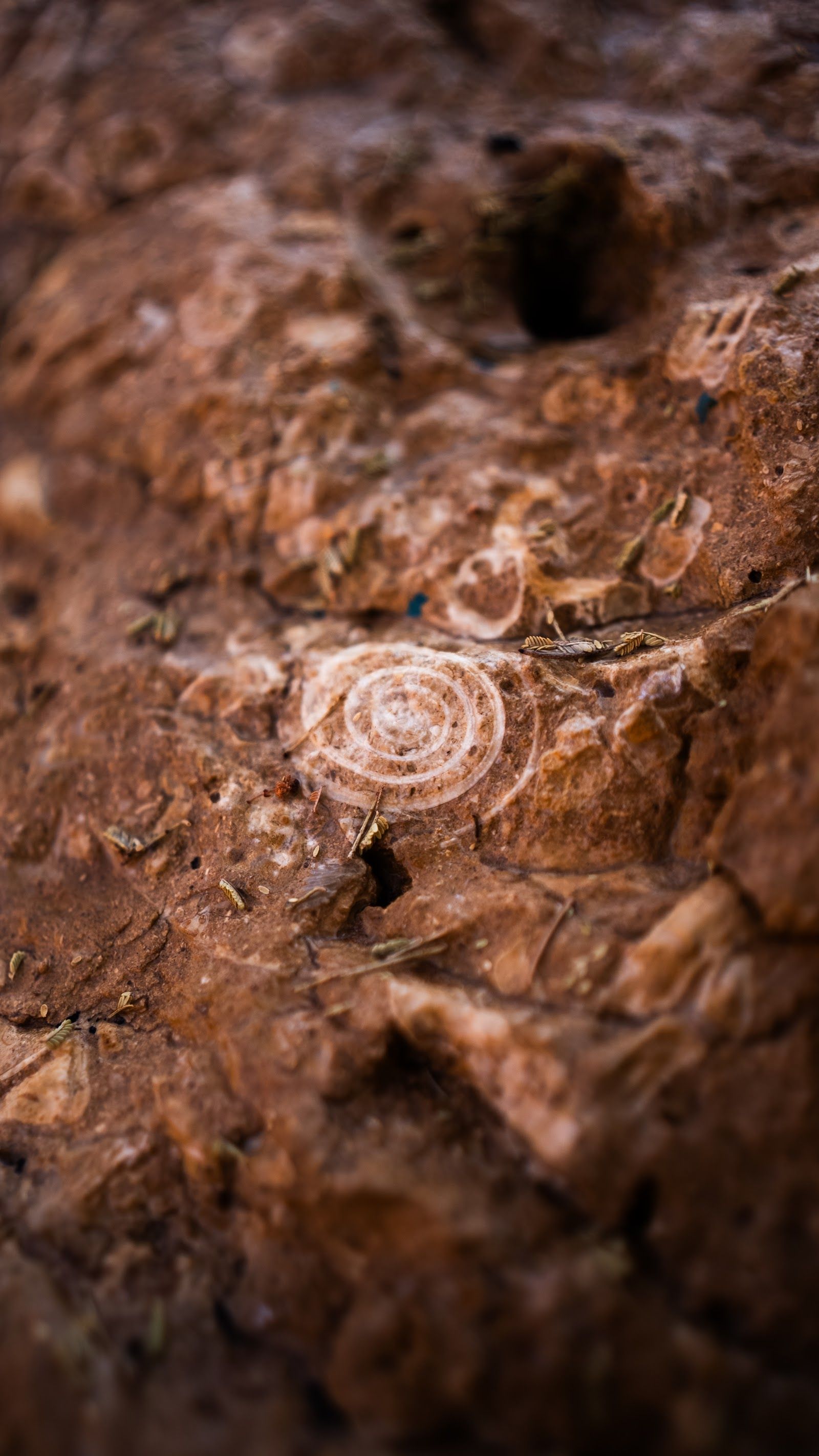
Stand at the base of the rock and you are reading two timelines at once: the ancient ocean beneath your feet, and the long human story written across the desert around you. It is the kind of place that makes the UAE feel far older and deeper than the skyline suggests - and it is a large part of why so many visitors come away rating a day here above a standard camp safari.
How to get there from Dubai
Fossil Rock is roughly a 45-to-60-minute drive from Dubai, in the Mleiha region of Sharjah, and a similar distance from Sharjah city, which makes it an easy half-day or full-day trip. The dunes that surround it are a well-known off-road area, and the sand can be far softer and trickier than it looks from the roadside.
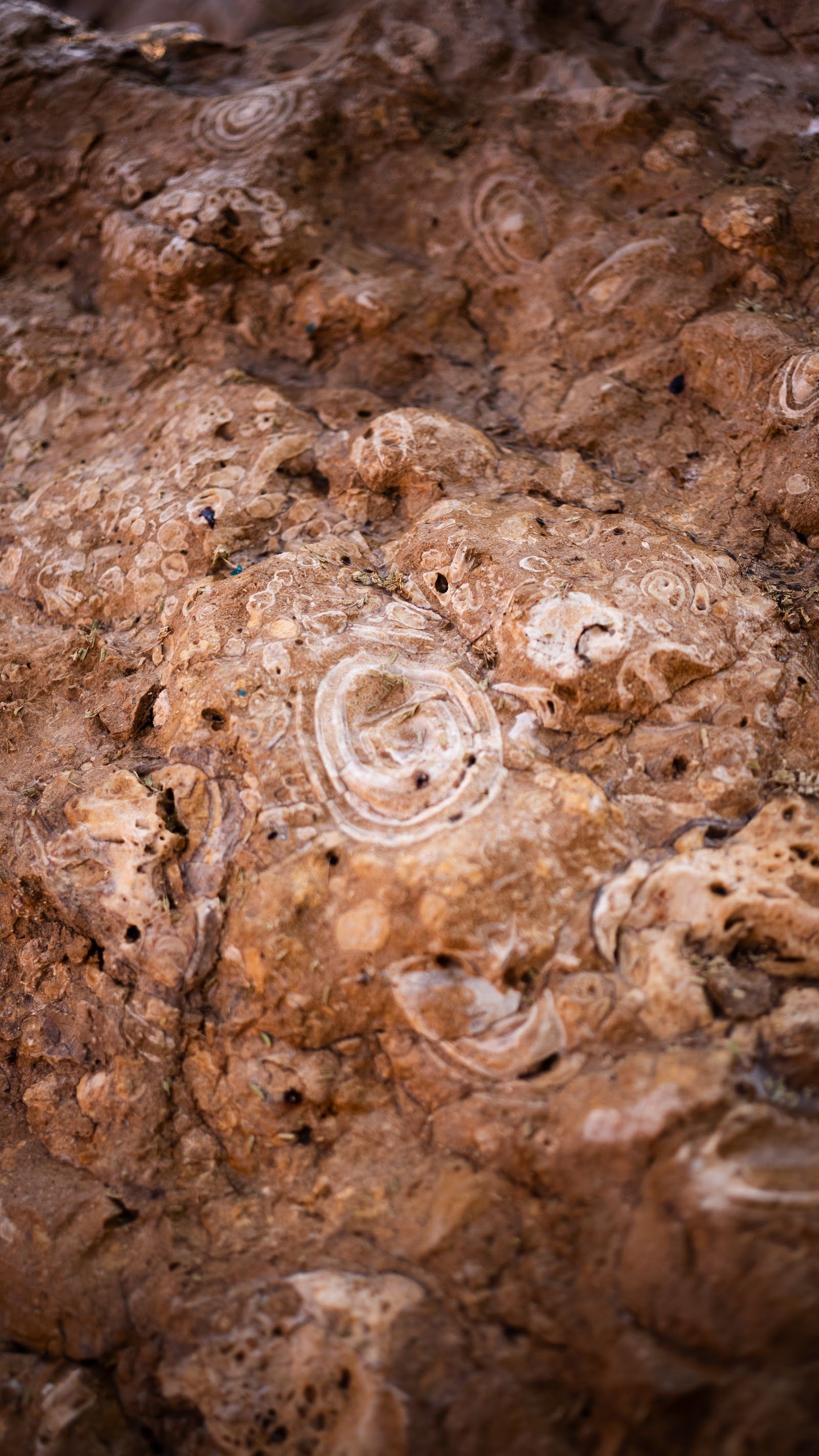
That is why the best and safest way to experience it is with a guide who knows the terrain intimately. Heading out alone in an ordinary car is how people end up stuck in soft sand, so a guided operator removes the risk while still handing you the adventure, the driving, and the views.
Seeing Fossil Rock by dune buggy
The most memorable way to reach the scenery is from behind the wheel. A self-drive dune buggy in Mleiha carries you through this landscape in a guided convoy, so you get the thrill of driving without the risk of going it alone or having to read the dunes yourself.
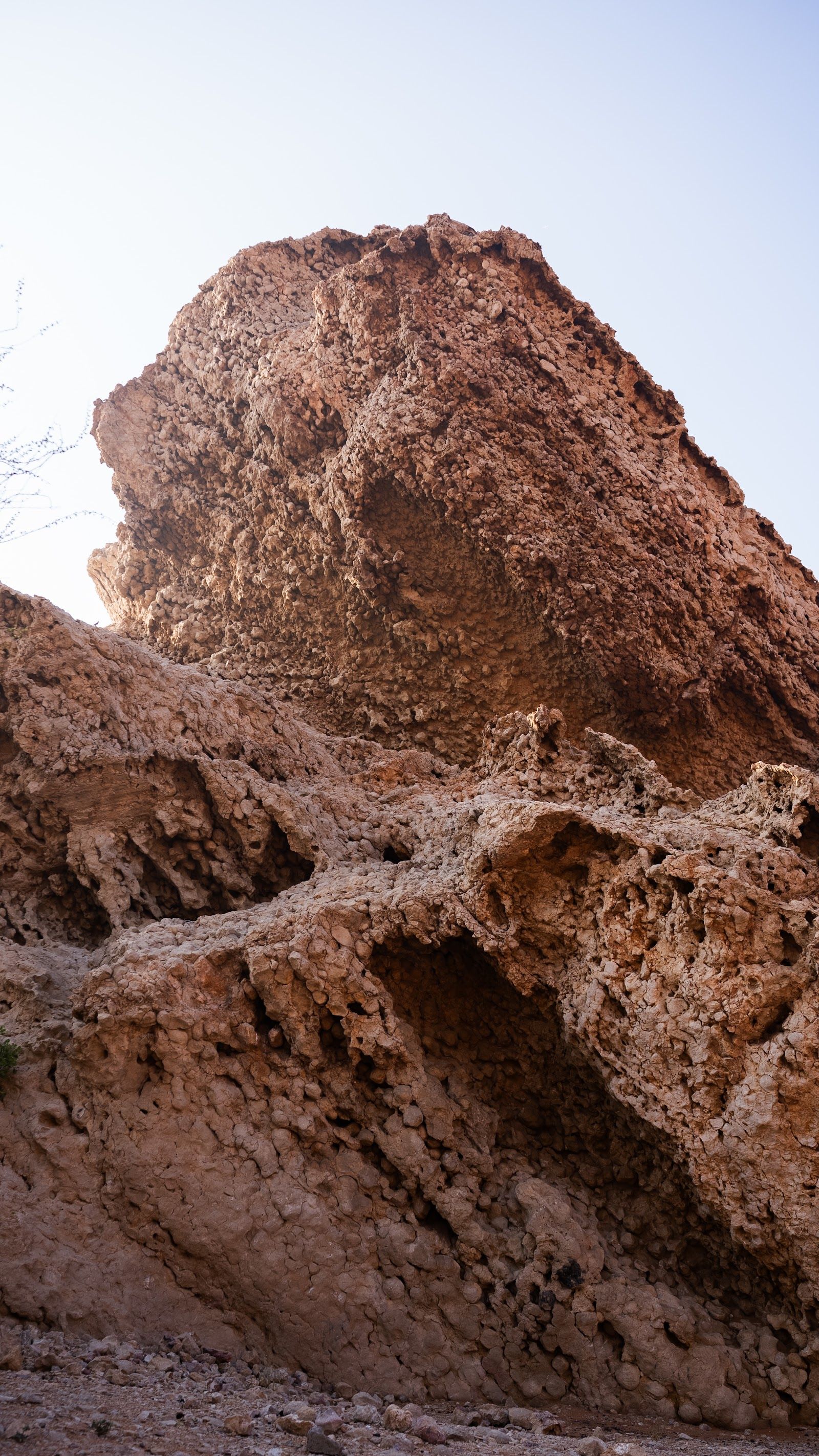
You steer your own custom-built "Desert Fox" buggy after a full safety briefing, following a lead guide across the sand past Fossil Rock and nearby Camel Rock. It is beginner-friendly, it seats two or four, and it arrives with the whole desert day built around it:
- A self-drive buggy and full safety gear
- Sandboarding down the dunes and a camel ride
- Refreshments and a warm welcome
- No hidden charges, with transfers from Dubai available
What else sits around the rock
Fossil Rock is the headline, but it is far from the only thing worth your time in Mleiha. The surrounding area rewards a slower look:
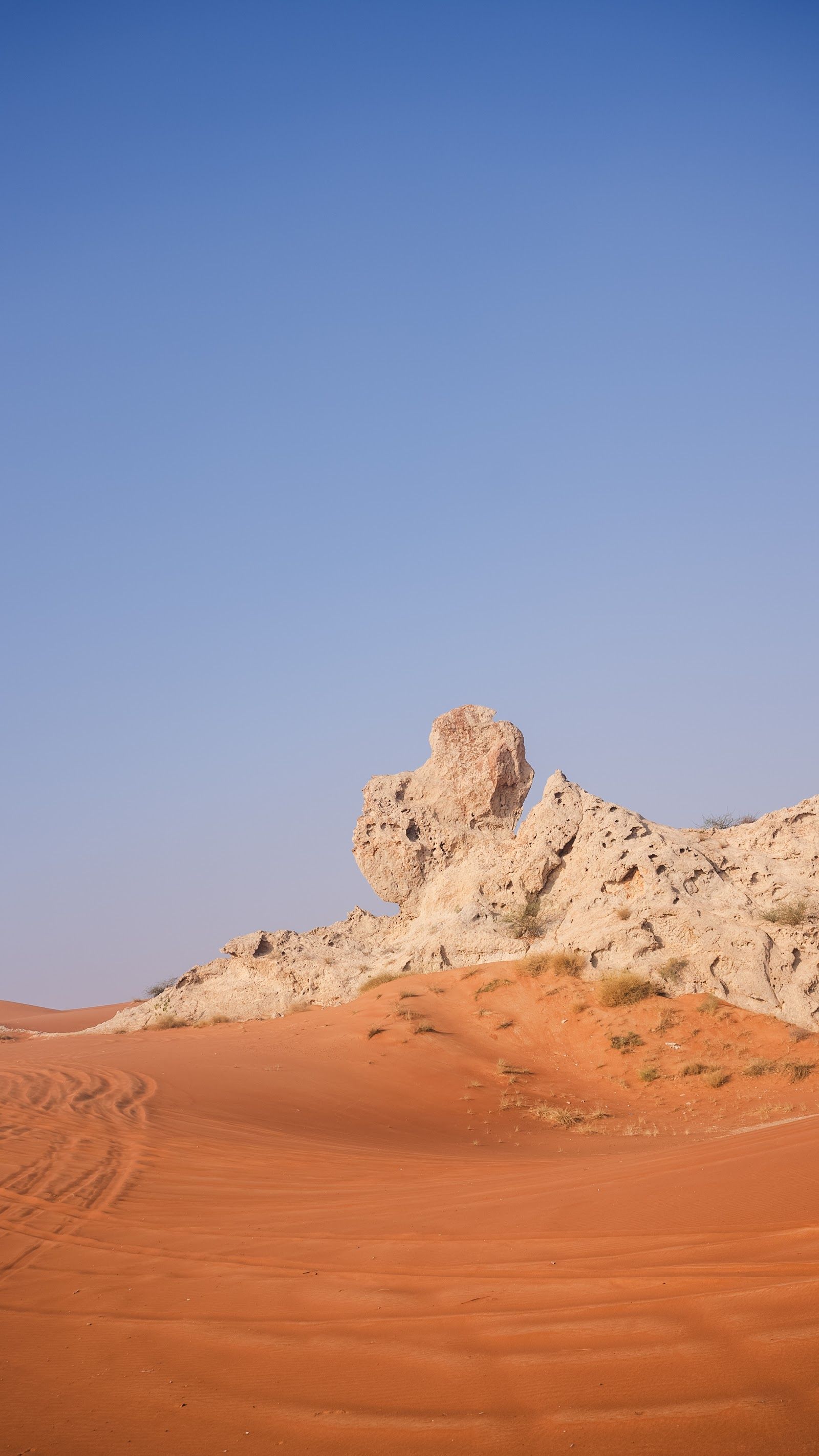
- Camel Rock, a second natural landmark named for its shape
- Tall, scenic dunes that are ideal for driving and sandboarding
- The Mleiha Archaeological Centre, which frames the region's human history
- Some of the darkest skies near Dubai, superb for stargazing after dark
Together they turn a single formation into a genuinely full day, which is why Fossil Rock works best as the centrepiece of a wider outing rather than a quick stop on its own.
Make a day of it
Fossil Rock pairs naturally with the rest of Mleiha, so a single landmark grows easily into a complete day:
- Start with the heritage and context at the Archaeological Centre
- Drive the big dunes on a self-drive buggy through the middle of the day
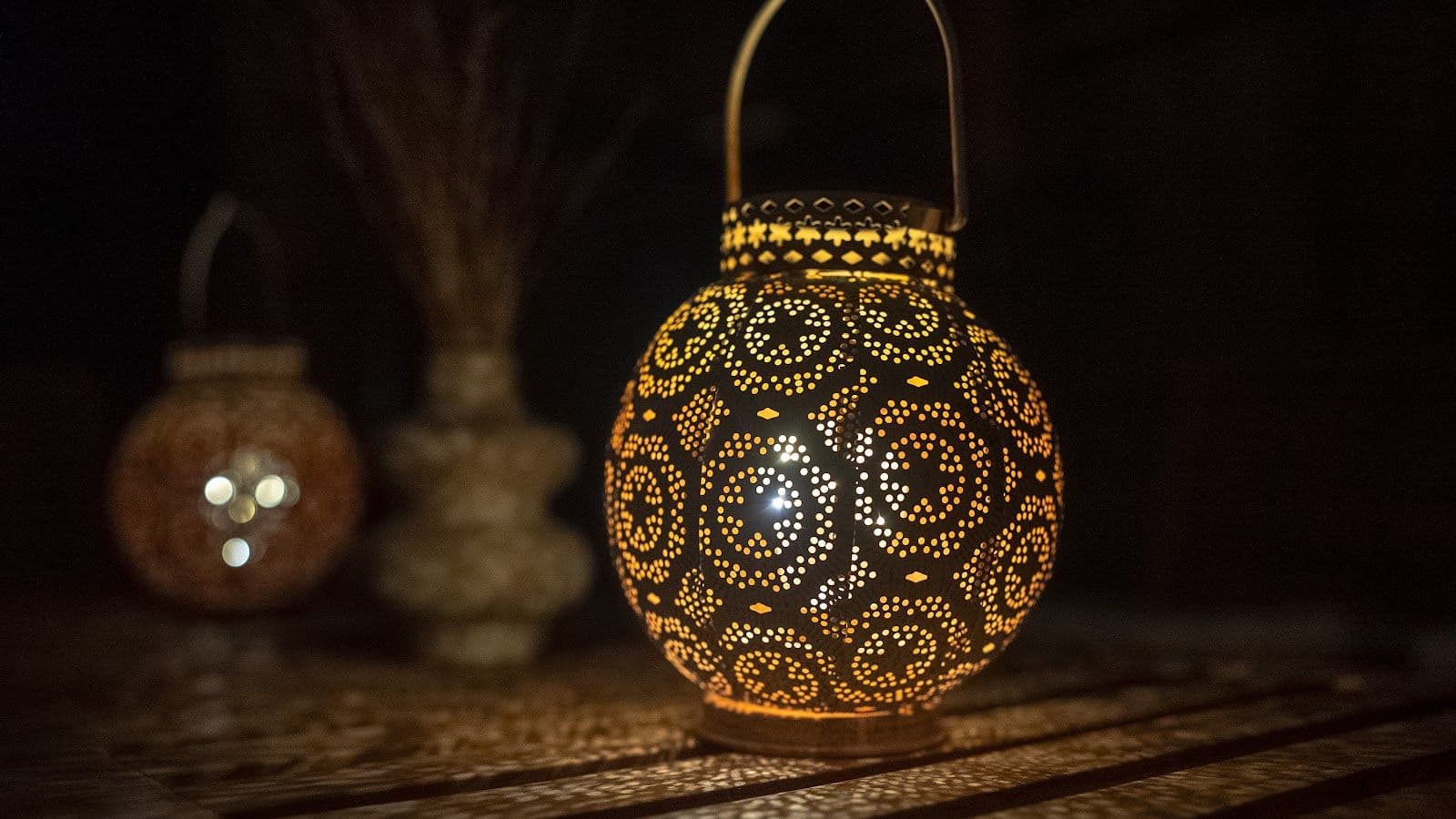
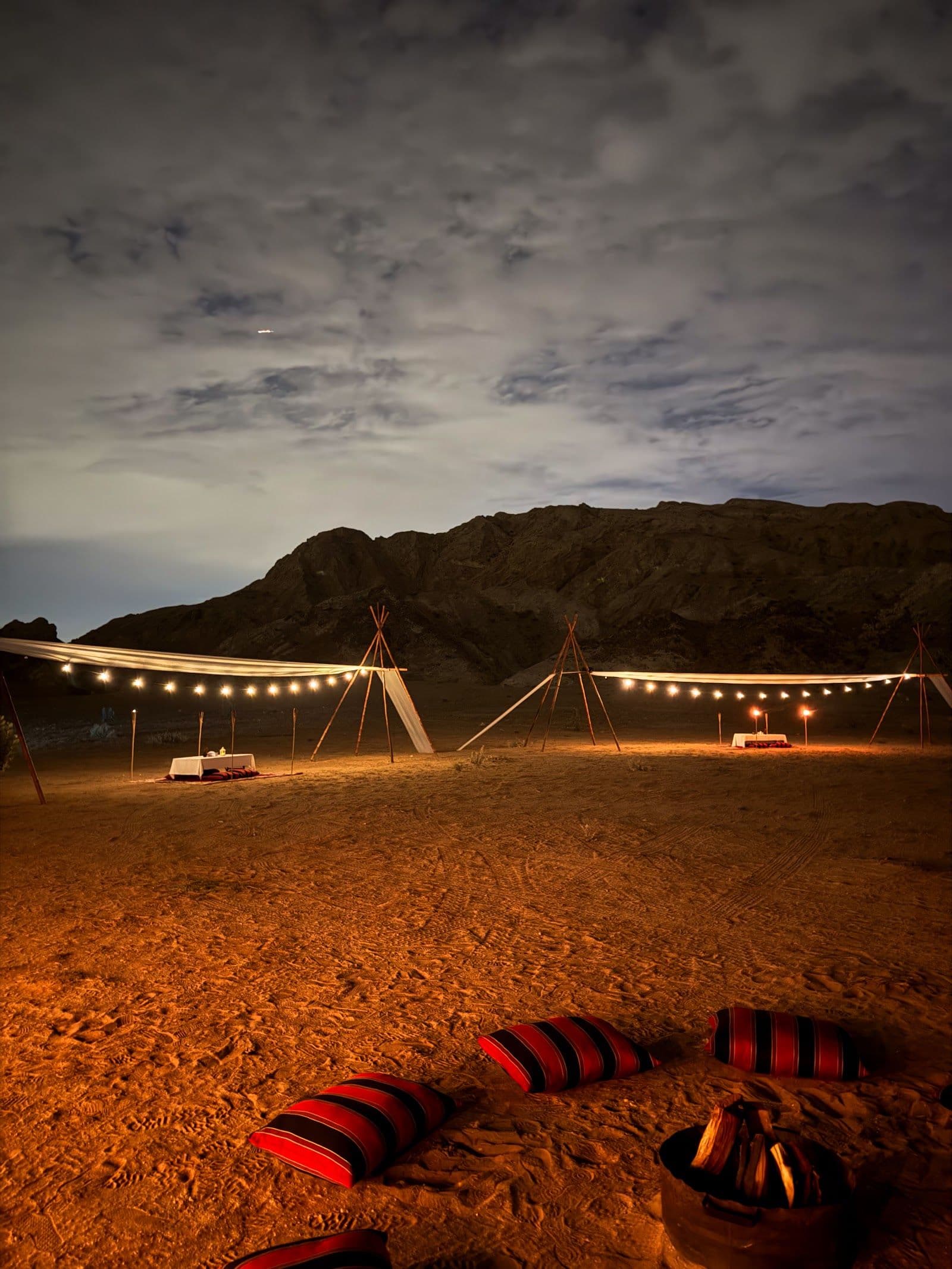
- Stay for an exclusive desert dining experience in Mleiha as the sun sets
- Fold the lot into a wider desert safari in Sharjah
That blend of geology, heritage, driving, and dining is what lifts a Mleiha day above the standard desert outing.
When to go and what to bring
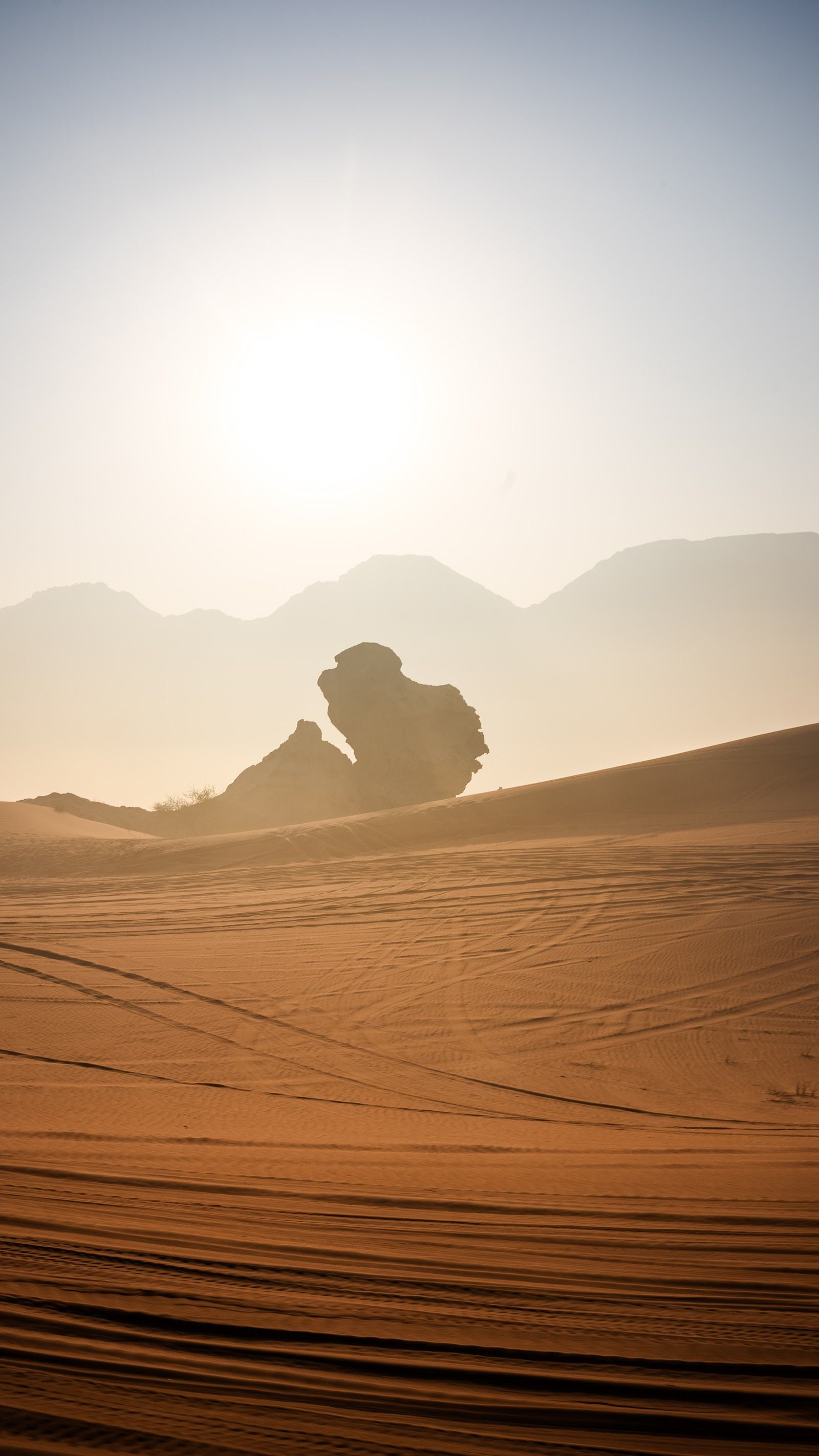
The light is at its best early in the morning or in the hour before sunset, which is also when the heat is kindest - aim for those windows, especially through the warmer months. The cooler October-to-April season is the most comfortable overall, and the clearest for photographs.
Come prepared, and the day takes care of itself:
- Closed shoes, which are required for the buggies
- Sun protection and plenty of water
- A light layer if you are staying into the evening
- A camera, because Fossil Rock at golden hour is genuinely superb
Quick Facts
- Where: Fossil Rock, Mleiha, Sharjah — 45-60 minutes from Dubai
- See: 80-million-year-old fossil seabed; Camel Rock nearby
- Drive: Self-drive buggy in a guided convoy, from AED 1,200
- Included: Buggy, safety gear, sandboarding, camel ride, refreshments
- Good for: History lovers, couples, families, photographers
- Best time: October to April, sunrise or golden hour
Book Your Mleiha Desert Experience
Fossil Rock is proof that in Mleiha the oldest stories are the ones written in stone - and that some of the UAE's most remarkable sights sit a short drive, and 80 million years, away. See it the best way on a self-drive dune buggy in Mleiha, then linger for dinner under the stars. Bookings are open for October, at the start of the cool season.