






Long before the towers rose over the Gulf, the falcon was the desert Bedouin's most trusted partner. Falconry in the UAE is not a show put on for visitors. It is a living tradition, passed from one generation to the next, and recognised by UNESCO as part of humanity's intangible cultural heritage.
For anyone drawn to the real story of the Emirates beyond the city, the falcon is a way in. Understand the bird and you understand something essential about the desert and the people who crossed it. This guide covers where falconry comes from, how it works, how the birds are cared for, and where its spirit still lives today.
Where falconry in the UAE began
Falconry started as survival, not sport. Bedouin communities crossing the Arabian desert trained wild falcons to hunt houbara and hare, adding vital protein to a lean winter diet. The bird was never a pet. It was a working companion, caught at the start of the season and released back to the wild at the end.
That practical bond set the tone for everything that followed:
- Falcons were trapped, worked for a season, then freed to breed in the wild
- The hunt supplemented a sparse desert diet through the coldest months
- Respect for the bird, and for the balance of the desert, was built in from the start
The late Sheikh Zayed bin Sultan Al Nahyan, the founding father of the UAE, was a devoted falconer who did more than anyone to protect the tradition, reshaping it from a hunt into a heritage practice with strict rules for the falcons and their prey.
Why the falcon means so much to the Emirates
The falcon is the national bird of the UAE and sits at the centre of the country's emblem. It stands for the qualities Emiratis prize: patience, courage, precision, and loyalty.
Training a bird takes months of quiet, daily work built on trust rather than force. That discipline mirrors the older relationship between the Bedouin and the desert itself: slow, attentive, and earned. To understand the falcon is to understand how this culture sees the land.
How falconry actually works
A falconer and their bird build their partnership through routine and reward. A few of the tools you will see have barely changed in centuries:
- The hood (burqa): a soft leather hood that keeps the falcon calm by covering its eyes until it is time to fly
- The glove (mangalah): a thick leather gauntlet that protects the handler's arm, where the falcon perches and returns
- The lure (tilwah): a weighted, often feathered decoy used to call the bird back and sharpen its flight
The training is patient and repetitive. The falcon learns that the handler means food and safety, and returns to the glove by choice rather than restraint.
Welfare first: how the birds are cared for
Modern falconry in the Emirates is built around the health of the bird. Prized falcons travel with their own passports, and dedicated falcon hospitals provide veterinary care that would be the envy of many household pets.
Responsible handlers put the falcon's wellbeing above any display:
- Birds are fed carefully and flown at a healthy weight
- Expert veterinary care is standard, not exceptional
- In the traditional hunt, falcons are released back to the wild
- Wild species are protected by regulation, and falcons are registered
This is why the practice has endured. The culture treats the falcon as a partner to be protected, not a possession to be used.
A living tradition in the modern UAE
Far from fading as the country modernised, falconry has been carefully kept alive. It is celebrated at heritage festivals, taught to younger generations, and supported by conservation programmes that protect both the falcons and the species they once hunted.
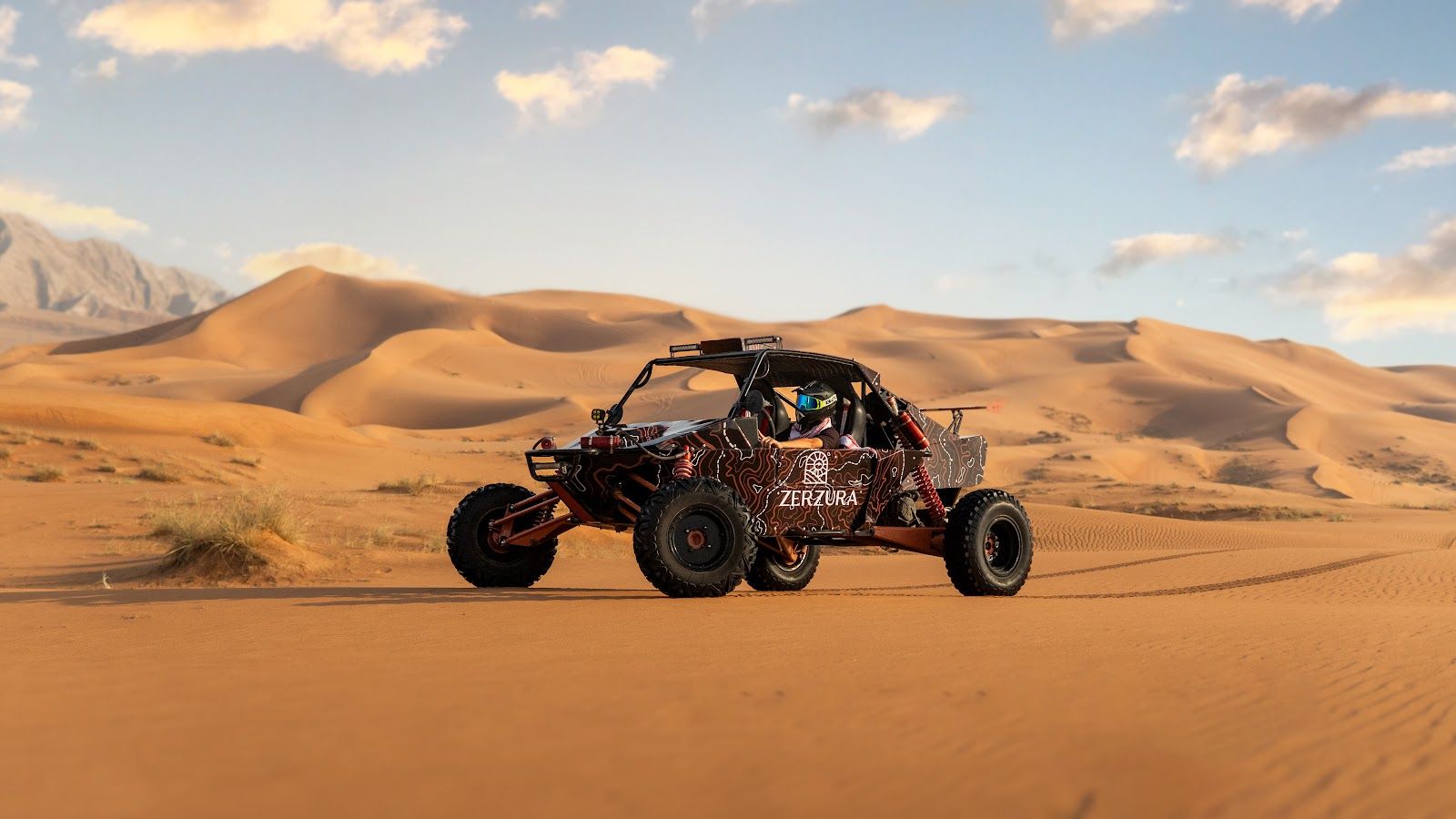
The result is a tradition that feels genuinely current rather than preserved behind glass. For visitors, that authenticity is exactly what makes seeing it memorable: this is something Emiratis still do, and still take real pride in.
From hunting season to sporting heritage
Traditional falconry followed the winter, when cooler months made hunting possible and migratory quarry passed through. That seasonal rhythm still shapes the calendar, even though the hunt itself is now tightly regulated and, for many, replaced by heritage and sport.
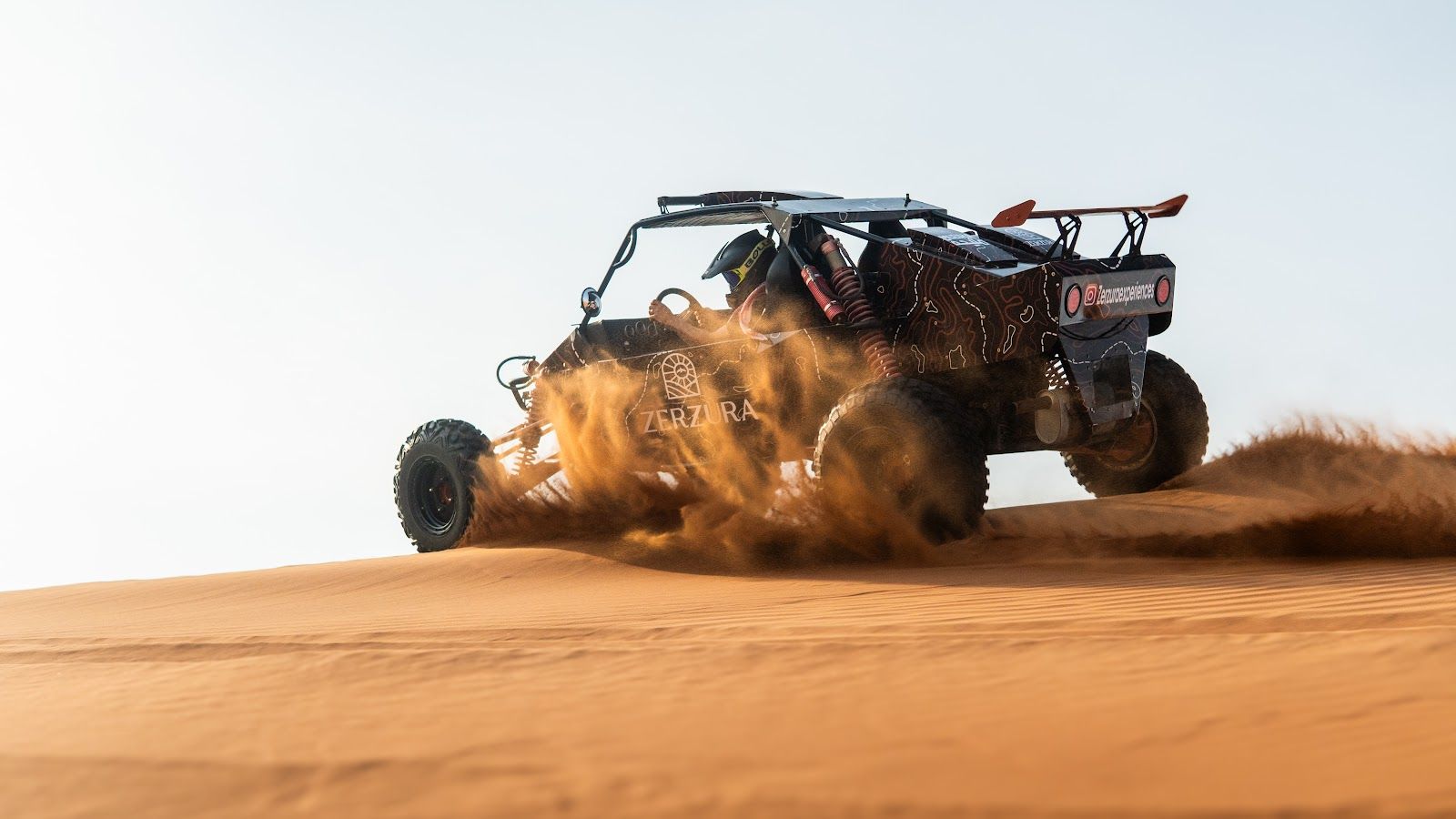
Today the tradition shows up in new forms. Heritage festivals gather falconers to show their birds and pass the craft to a younger generation. Competitions judged on the condition and flight of the falcon have grown into serious events. Conservation programmes, meanwhile, protect the houbara the birds once chased, so the sport does not come at the ecosystem's expense.
What has not changed is the relationship at the centre of it all. In the field, at a festival, or on the glove at home, the bond between falconer and falcon still rests on patience, trust, and respect.
Falconry and the Mleiha desert
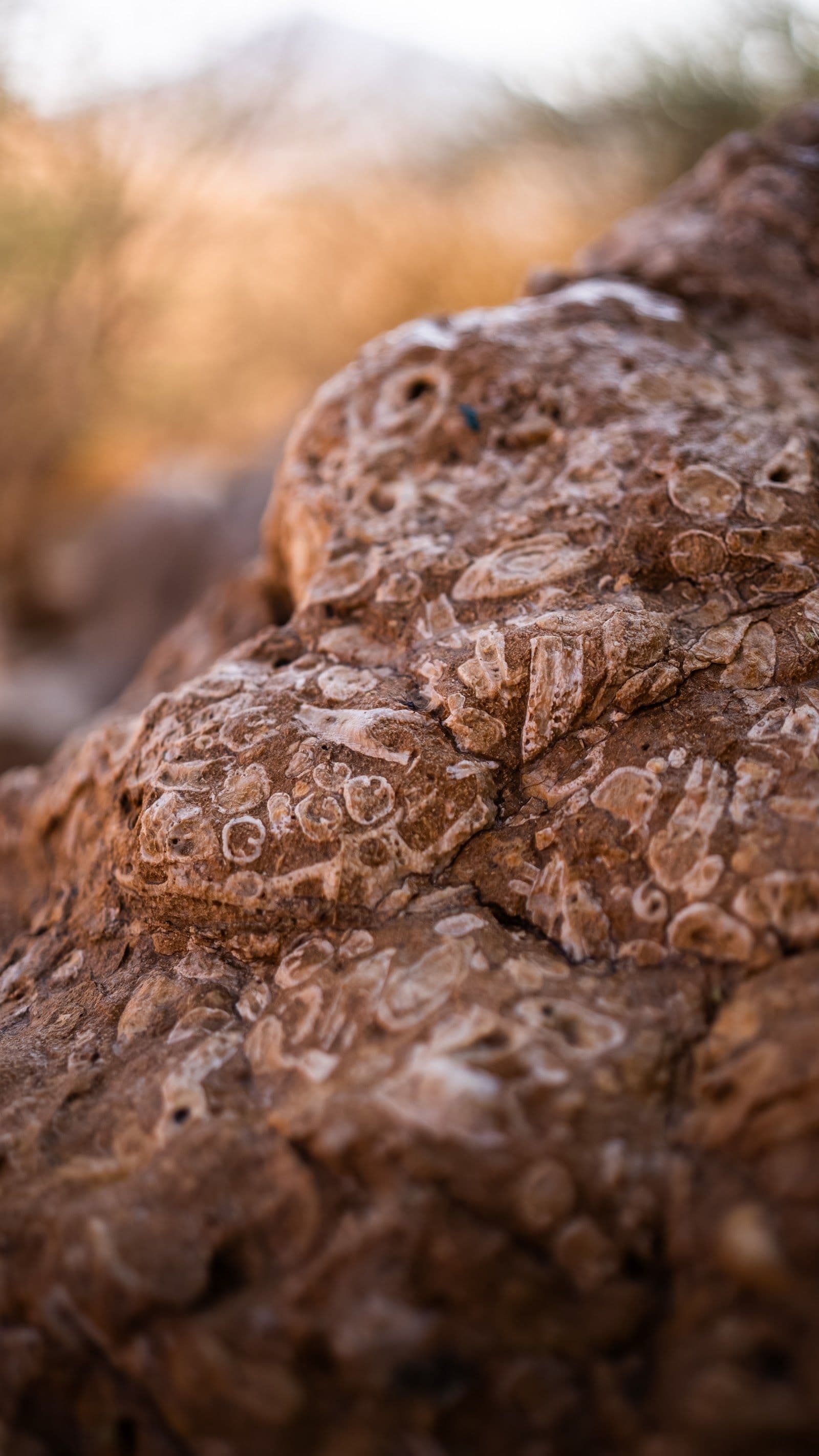
The landscapes around Mleiha National Park, the same protected dunes and rock formations Zerzura explores, are exactly the kind of open desert where falconry has always belonged. Mleiha is a UNESCO-nominated palaeolandscape, with 80-million-year-old fossils and 180,000 years of human history in the rock around Fossil Rock and Camel Rock.
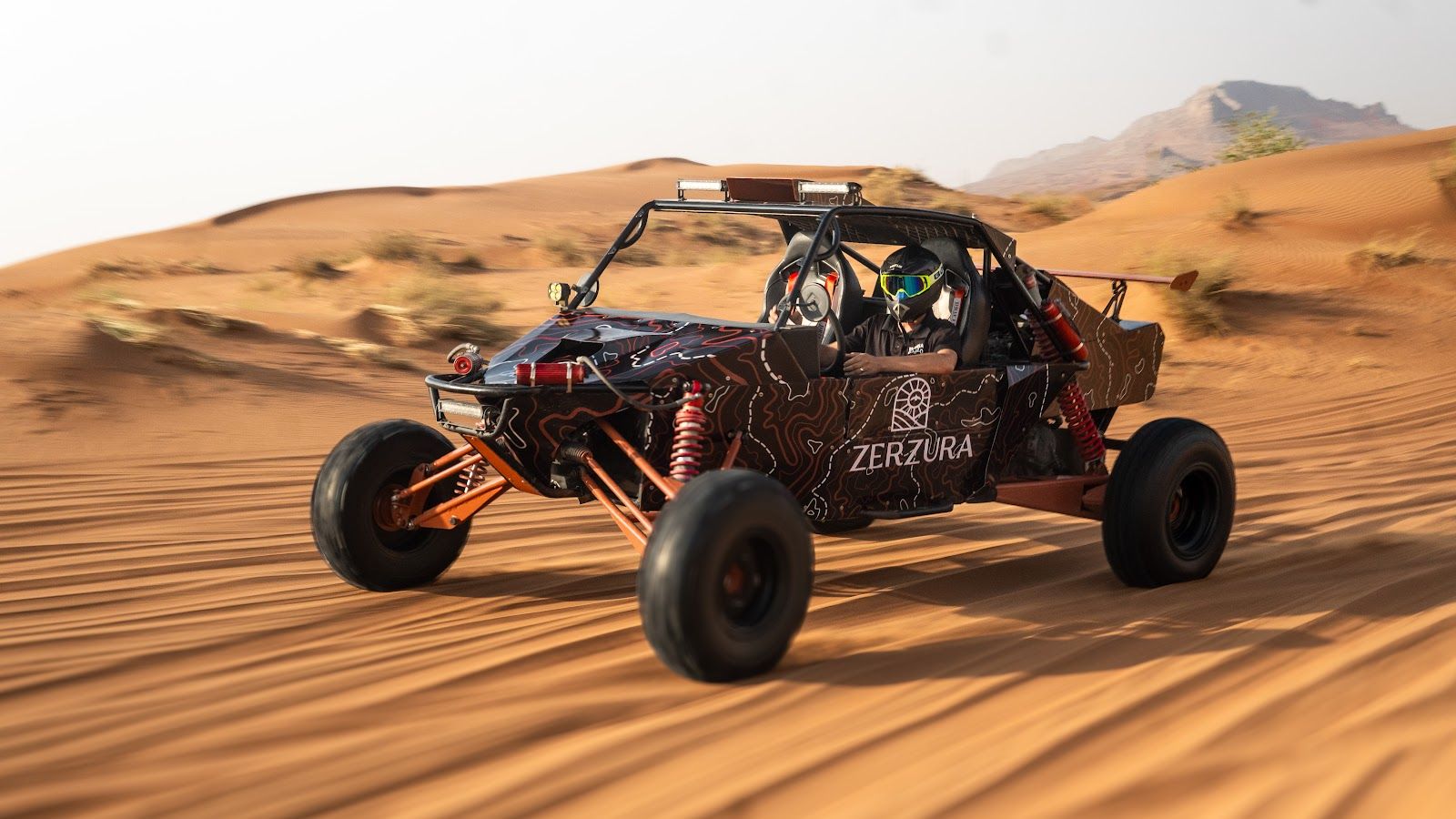
Guests who come to Mleiha for the quiet often find the region tells the deeper story of the UAE: its fossils, its old caravan routes, and its living Bedouin traditions, of which the falcon is the enduring symbol.
Seeing falconry the respectful way
The best falconry encounters are unhurried and led by people who genuinely know their birds. Look for the same qualities that separate a thoughtful desert experience from a rushed one:
- Small groups and time to actually watch the bird
- Handlers who explain the heritage honestly
- A clear focus on the falcon's welfare over spectacle
That principle, depth over crowds, is what draws travellers away from the busiest tours and into the calmer side of the desert.
Quick Facts
- National bird: the falcon, at the centre of the UAE emblem
- Heritage: recognised by UNESCO as intangible cultural heritage
- Roots: a Bedouin hunting tradition, now a protected heritage practice
- Where its spirit lives: the protected Mleiha desert, Sharjah
- Pair it with: a self-drive dune buggy or desert dining at Mleiha
- Best time: October to April, when the desert is at its most comfortable
Book Your Desert Experience
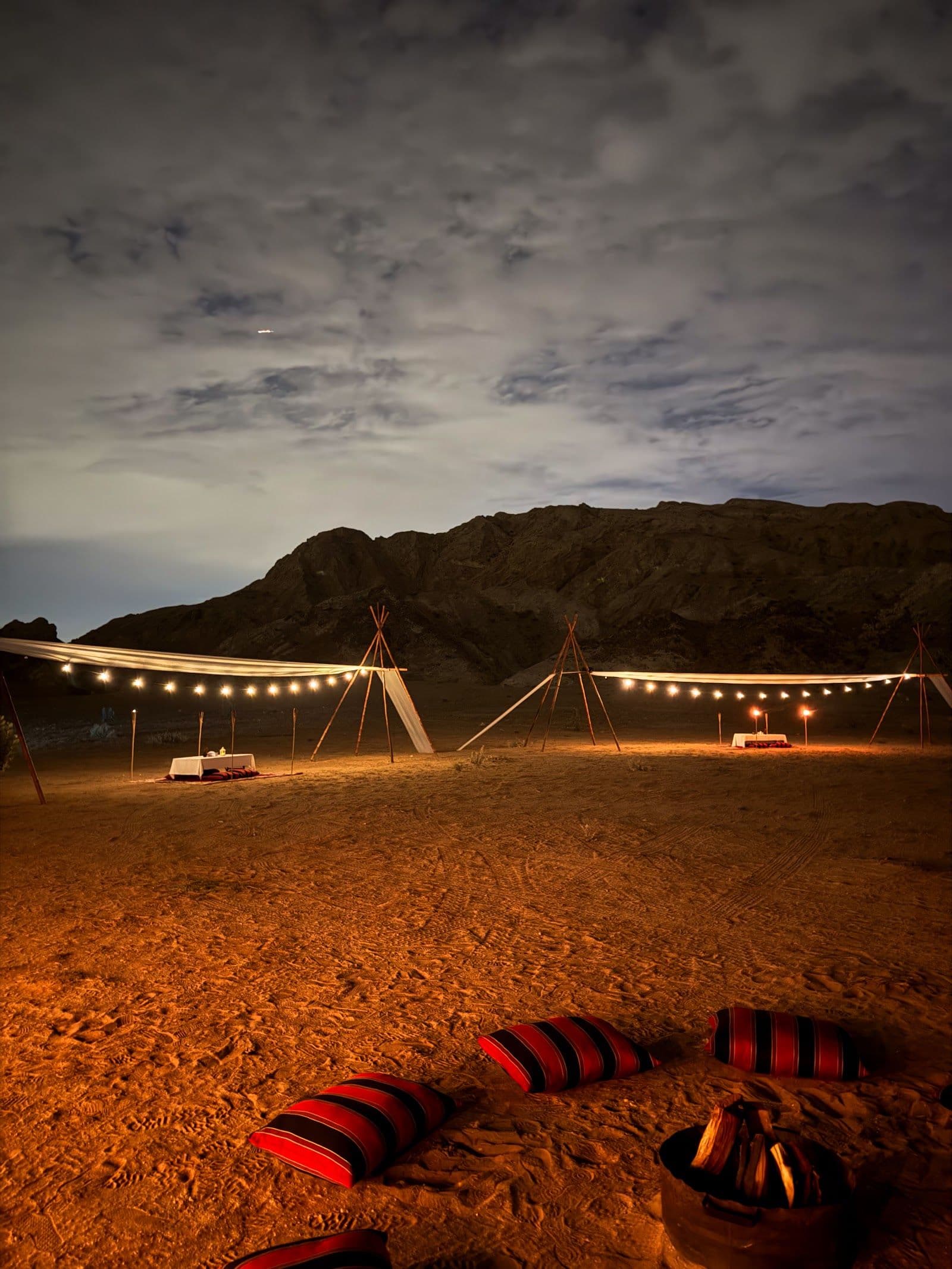
Falconry belongs to the same desert Zerzura calls home. Zerzura does not run falconry displays, but you can spend a day in the very landscape that shaped the tradition. Explore a self-drive dune buggy in Mleiha, or settle in for desert dining under the stars. Bookings are open for October, the start of the cool desert season.